Historical waves
The place you know as Orvieto was already inhabited in the Palaeolithic age; In the IX century, the Etruscan people take office right into the dungeons, dug through the tuff, below the level of the city we’re living on, just now, to reign over it until the 5th century B.C., leaving the town under the Roman domain.
During the barbarian invasions, the town was in the centre of a huge dispute between Byzantines and Ostrogotes; after the destruction of the city of Bolsena, it became an Episcopal Seat, and it was nominated as Urbs Vetus (Old Town), which is the root of the actual name.
In the first half of the XII century A.D., Orvieto was an independent municipality, and in 1354 was invaded by the cardinal Egidio Albornoz, and incorporated into the Pontifical State.
Then, in the middle of the XV century, the town and its territory were definitely included in the pontifical domains, and in 1860 it joined the brand new Italian State.
Orvieto’s Wine
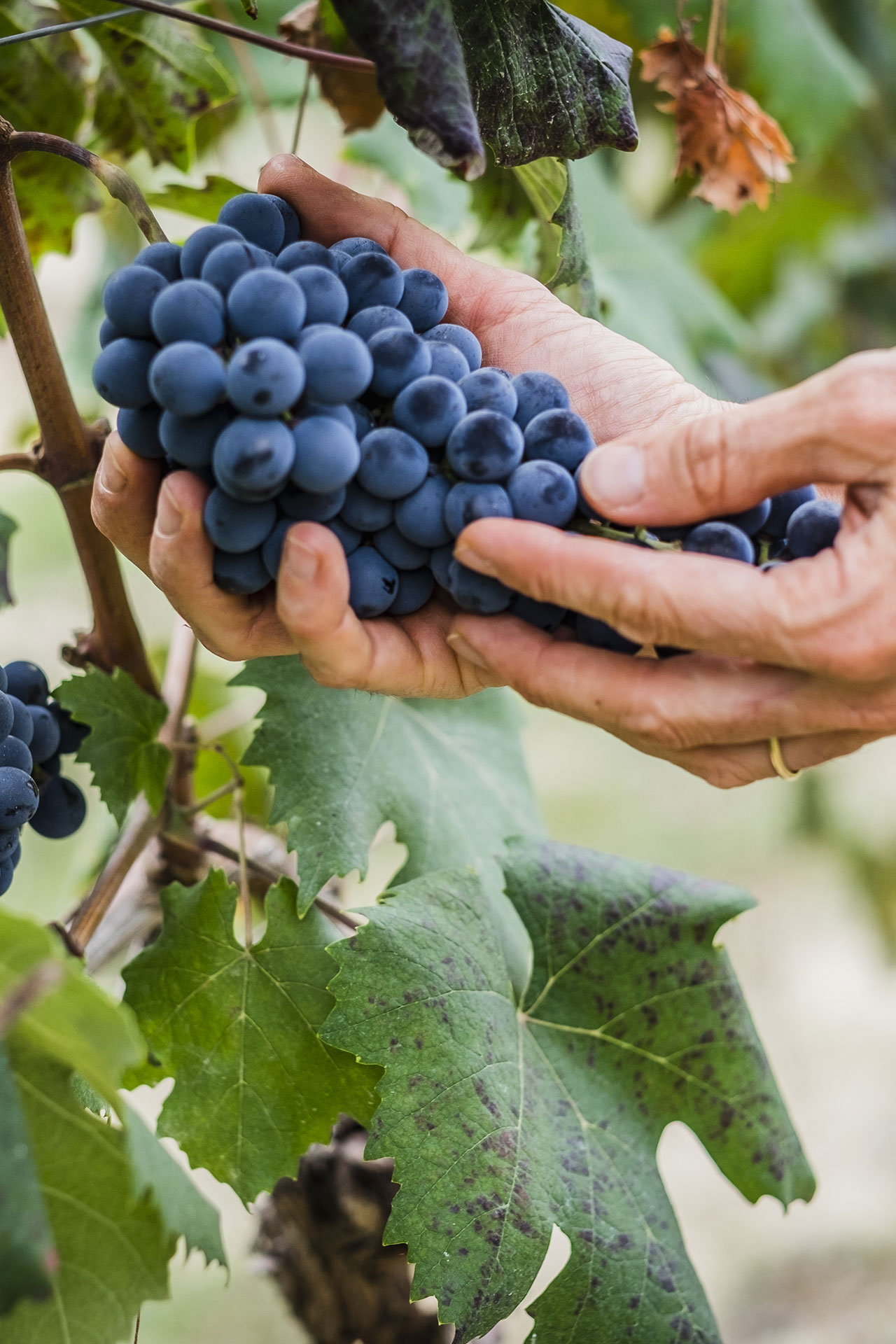
Orvieto’s wine tradition has old and solid roots.
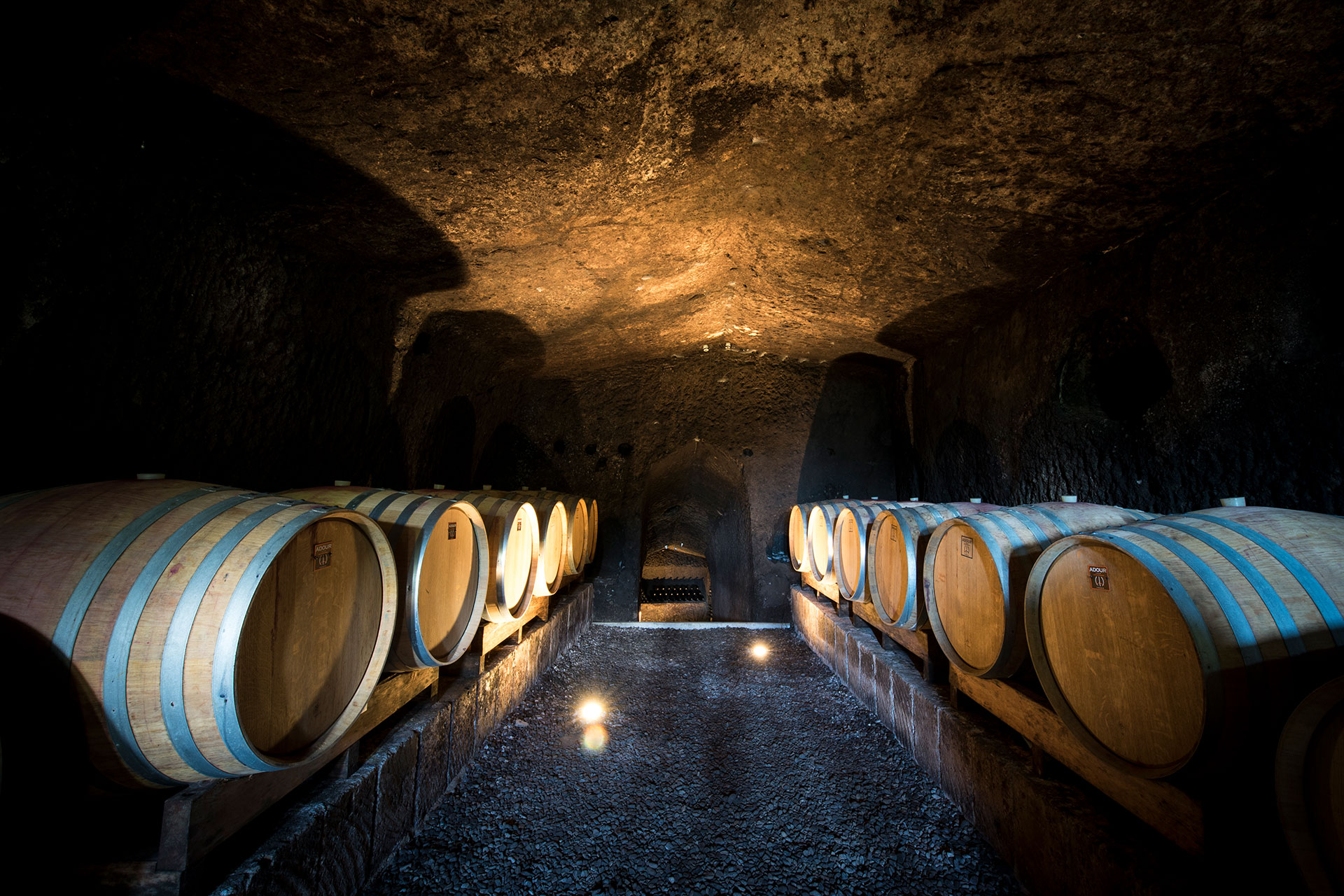
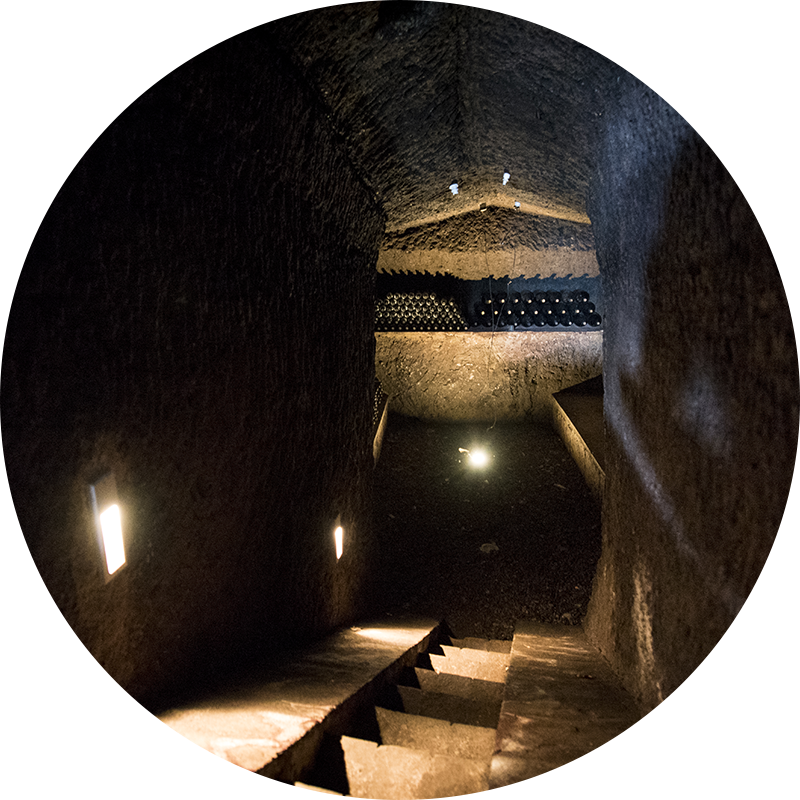
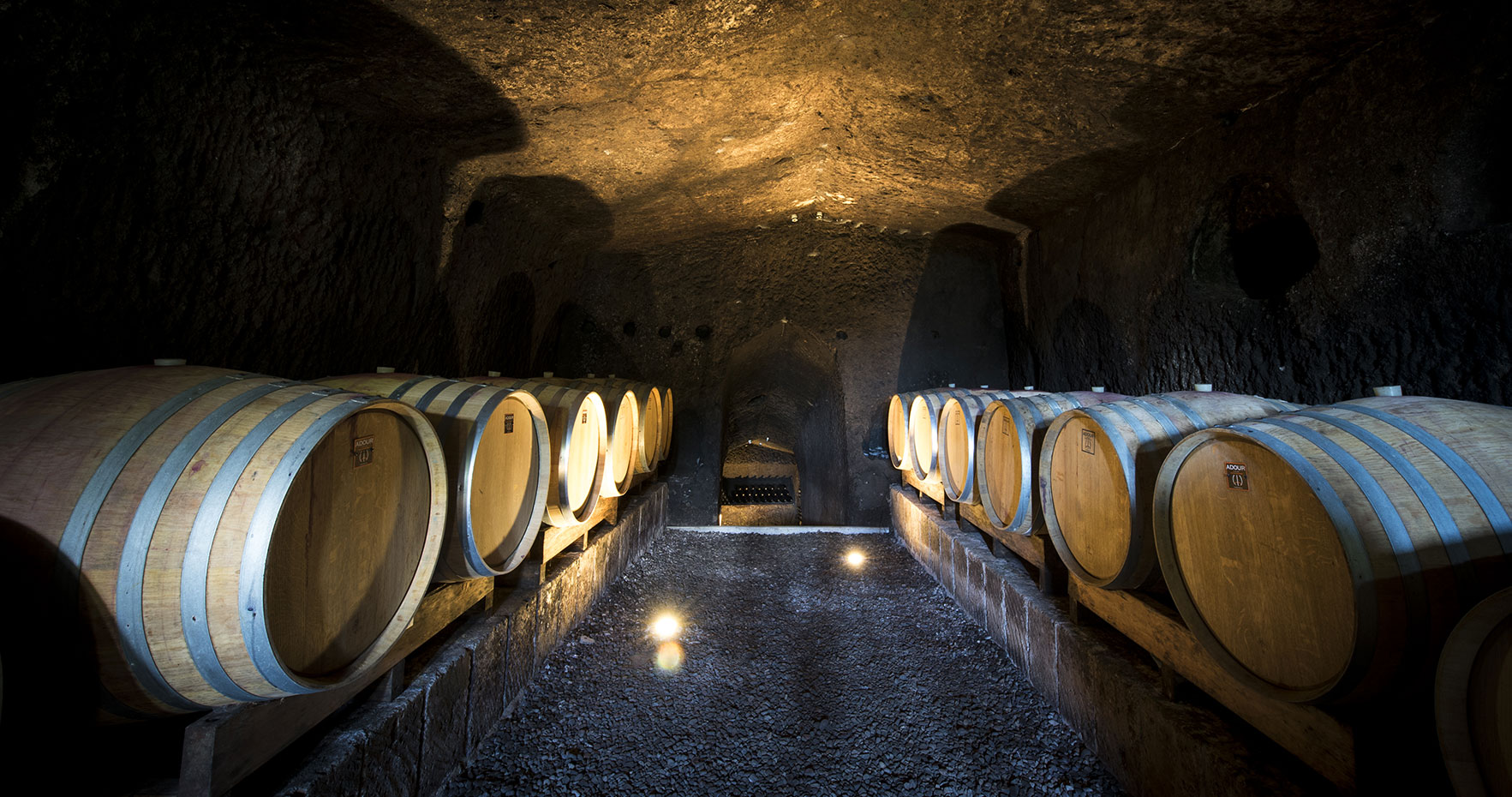
Etruscans seemed to have dug wine cellars through the tuff skeleton of the town, and in those fresh dungeons, the grape fermentation could be completed just after a lot of months, leaving the wine a sugary taste that contributed to make it a big success.
In the middle age and the renaissance, the wine of the town was exalted by poets, artists and important men, Pinturicchio among those (who wanted to be written in a contract that he had to be given “as much wine as he could drink it”, when he’d painted the city).
It was one of the pope’s court favourite wines (Paolo III Farnese used to be totally in love with it).
Wine had also an important part for the construction of the Duomo: the masters working at that project, extracting and sculpting travertine into the cave of Monte Piso, used to buy a lot of bottles between 1347 and 1349, together with glasses and bowls to drink it; but the most famous memories we have are the ones about those “noises”, made into the town, like in other cities, by champions and masters, to have some of it gratis.
Even the working time used to leave some free time, in the morning, and in the middle of the afternoon, to workers, to let them drink “mistu” (maybe water and wine).
The Opera del Duomo itself used to give it in every important circumstance, like the end of a long and important work, or under request of the headmaster.
But the most interesting thing is that we can find it clearly written as request on most of the working contracts.
It’s indicative the one signed by Luca Signorelli, in 1500, for the realization of some internal Duomo’s frescos, where it’s written down that the Opera del Duomo had to give him 12 “some” of wine (more or less, 1000 litres).
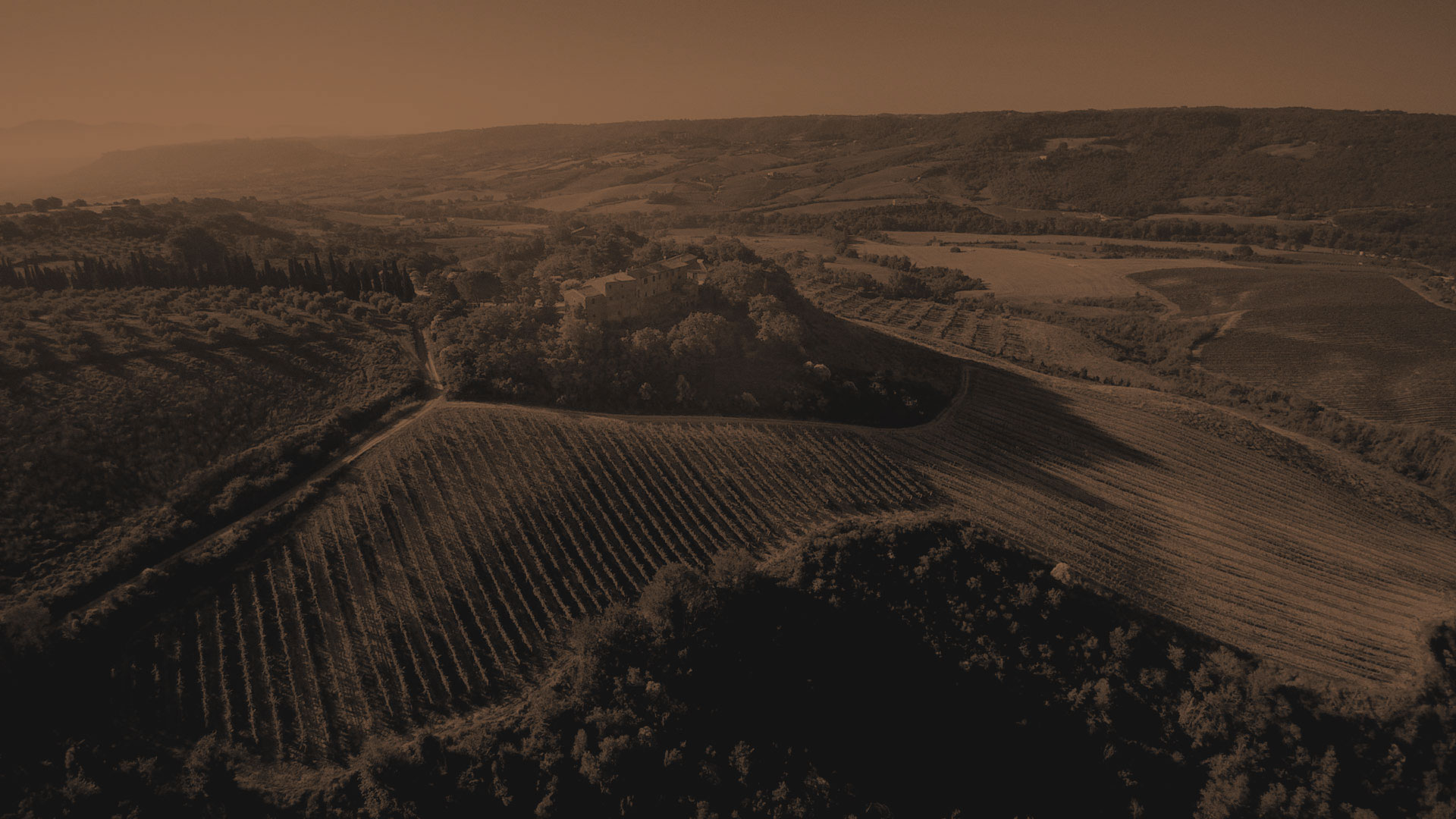
Right on a volcanic tuff rock, dominating a valley, carved by two rivers, Paglia and Chiani, which run to flow into Tevere, it carefully lays down the amazing Umbrian town called Orvieto (Urbs Vetus, Old Town).
In fact, the eruptive action of some volcanoes created this big and wide tuff platform, that raise up from 20 to 50 metres above the level of the ground.
Discovering Orvieto is a very, fairy, amazing ride …you will look into a casket full of history, wonderful places, a beautiful nature, and all those stuff we inherited by Romans and Etruscans.
ITINERIES AND PLACES TO VISIT
Orvieto offers a lot of interesting places for a tourist.
First of all, the orvieto’s Duomo, built starting in 1263, under request of the pope Urbano IV, after Bolsena’s St.Christine church miracle, where a bohemian priest, celebrating mass, saw a blood drop gush out from the blessed brad, and stained his handkerchief.
The dome is an amazing half Romanic – half gothic building, with precious mosaic decorations all over its front face.
The Pozzo di San Patrizio (St.Patrick’s well) is a wonderful hydraulic handwork, wanted, in 1527, by another pope, Clemente VII, who escaped and nestled in Orvieto after Rome’s Invasion.
The project was entrusted to Antonio da Sangallo il Giovane (the young), and the well was terminated in 1537, ten years later; This well descends for 62 metres underground, and its structure is characterized by a double helix stairway, made to ease the passage of mules carrying water.
Other places to see are:
Soliano’s Palace (1297)
Papal Palace
Moro’s Tower, into a bigger building called “Palazzo dei Sette” (Seven men’s palace)
City hall palace
People’s Palace
The Etruscan tuff cross necropolis and Cannicella’s
St. Giovenale’s Church
St. Andrew’s Church
The old Cava Street
St. Domenico’s Church, built over the ruins of a Pagan Temple
Opera del Duomo’s Museum
The Archaeological Museum
The Funicolare
IL DUOMO DI ORVIETO (Orvieto Dome)
Pope Urbano IV wanted, in 1263, after Bolsena’s Miracle, the beginning of the construction of the church you know as Orvieto Dome.
In the middle of its square, you can see its Romanic style front face raisin’ up, grandiosely, high above the whole town, mixed by a wise hand with its other gothic sides.
Inside it, you can find a really evocative space, with its St. Brizio’s Chapel, the angels painted by the famous Beato Angelico all over the roof sails, frescos on every side and some of Luca Signorelli’s masterpieces.
OPERA DEL DUOMO’s Museum
Among the places you should see, there is this museum, situated right into the papal palace, where you will find antiquities from the Etruscan age, like sarcophagi, statuettes and decorations, a section dedicated just to the medieval goldsmiths works, and another one to sculpture works, like Arnolfo Di Cambio’s, and paintings, Simone Martini’s Madonna and Polittico among them.
You can also find Della Robbia’s glassed earthen wares.
ORVIETO UNDERGROUND
The other Orvieto. The one raising up right into the heart of the medieval ward, hidden below a town where history can breathe: dungeons, corridors, galleries, old olive crushers, are the stages of an underground trip you cannot lose to walk the same way and live the same life of the Etruscans and Romans, through sites full of brand new archaeological finds.
MORO’S TOWER
It’s an obligated stage, this one, to admire the panoramic view of the whole town from the top of this 13 century’s Tower, that’s Orvieto’s highest building and point of view.
TRADITIONAL FESTS
Orvieto is characterized, and also enriched, by religious and civil fests born during the middle age and the renaissance, and let us breathe the same old spirit of that time.
Corpus Domini’s Fest came out first after the papal bull “Transiturus”, on August 11th, 1264.
Every year, the second Sunday after the Pentecost’s fest, a long procession passes trough the town streets, right through the most important city’s wards and places, taking the Corporal, evidence of Bolsena’s Miracle, enclosed to a precious reliquary made by some orvieto’s goldsmiths.
The religious procession is led through by an Historic Parade, representing all the institutional charges, jobs and magistracies of that period, with coats of arms, emblems and flags, and perfect reproductions of dresses and weapons, made by orvieto’s handcrafters.
Into the oldest places and churches of the town, then, you can find cooks, chefs and waiters wearing 14th century’s dresses reproductions, serving their old styled menus, inspired by the medieval cooking tradition.
Another important fest is the Palombella, which recurs fifty days after Easter, every year.
With that, the city celebrates Pentecost since 1400.
Between these two fests, there’s another one, called Palio dell’Oca, that’s an historical recalling of a fight between Orvieto’s knights.
It was instituted in 1561, when the municipal authority established that, to celebrate carnival, four gooses had to be bought for the dispute, between the two town’s factions, of that run.
The Palio renews every year this tradition, and the faction winner receives a racing silk (That’s a coat, an emblem) as prize for the team, and another one is given to the best individual knight, just like many years ago.